How long does Permafrost take to play?
Permafrost's completion time has not been officially confirmed. One Early Access reviewer spent around 30 hours playing solo and remained interested in exploring. That gives you a useful example of time invested when deciding whether to start, although it does not establish how long the story takes to finish.
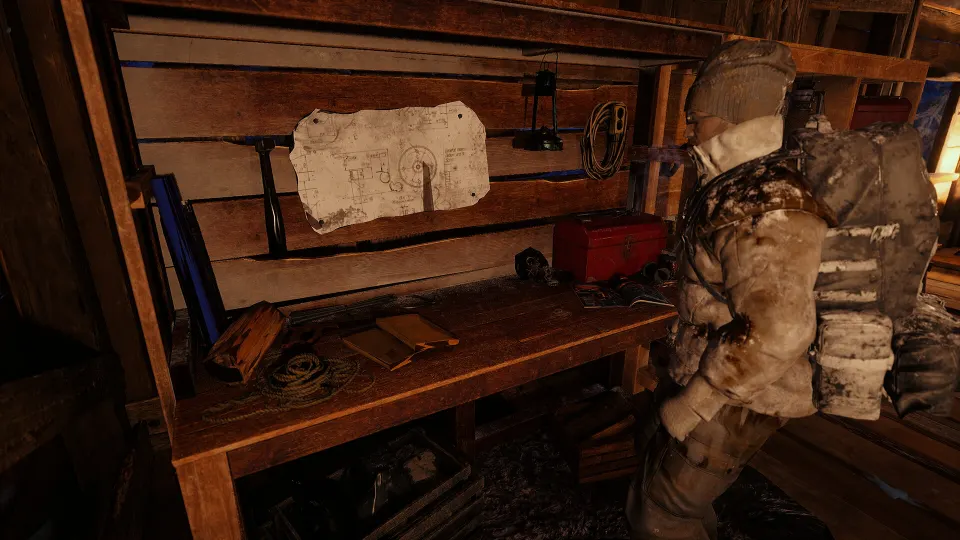
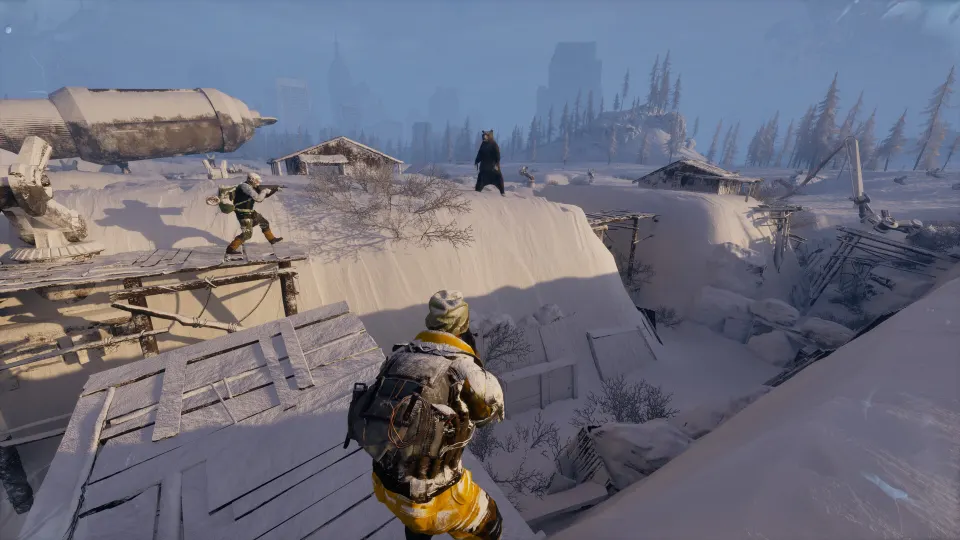
Permafrost is the frozen survival sandbox developed by SpaceRocket Games and published by Toplitz Productions. Its Early Access release began on October 9, 2026. You can explore alone or join a group of up to four players, with scavenging, crafting, shelter construction, and quests competing for your attention.
The official Steam page describes an opening narrative, side quests, multiple biomes, and extensive crafting content. It does not publish a main-story or completionist duration. For planning purposes, think in terms of repeated expeditions and survival goals. Your chosen stopping point matters: establishing a dependable shelter is a different commitment from thoroughly exploring the available world.
What recorded playtimes actually tell you
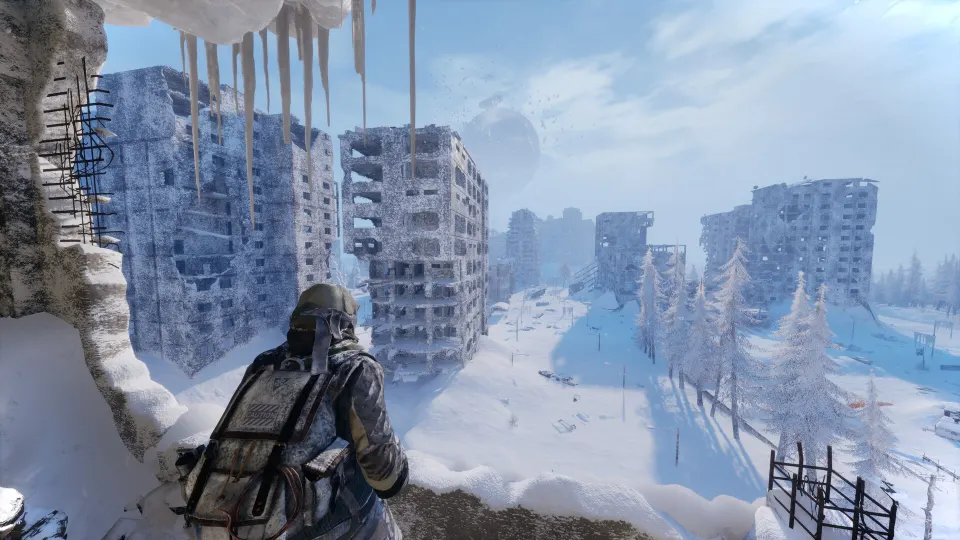
The strongest individual playtime example comes from Fix Gaming Channel's Early Access review. The reviewer reports approximately 30 solo hours, with substantial time spent exploring, gathering supplies, learning systems, and managing survival. The article describes an ongoing experience without identifying a completed campaign.
Steam reviews provide additional examples of time spent playing. However, their displayed hour totals need context before you use them to judge the game's length.
| Reported playtime | Context | What it tells you |
|---|---|---|
| 10.5 hours on record | A Steam review describes impressions from roughly the first hour | The displayed total and the review's stated experience can differ |
| 11.7 hours on record | A reviewer discusses co-op exploration, task sharing, and learning skills | Cooperative activities occupied this player's early experience |
| 15.8 hours on record | The reviewer says their time includes testing | The total is not a clean measure of progression |
| Around 30 hours | A solo Early Access review describes continued exploration | One player invested this much time without presenting it as a completion benchmark |
These figures should not be averaged into a campaign estimate. The players had different goals, circumstances, and levels of familiarity. None of these accounts establishes a consistent start-to-finish route.
The Steam community reviews also mix enjoyment, technical complaints, and early impressions. A short review can reflect someone deciding whether they like the mechanics. A longer playtime can include building, testing, or troubleshooting. Neither automatically measures how much authored content remains.
How modes and co-op affect your pace
Your mode changes what occupies your attention. Fix Gaming Channel describes three options in the reviewed build: Story, Survival, and Custom. Their differences are useful when choosing an experience that fits your available time.
| Mode | Reported emphasis | Planning implication |
|---|---|---|
| Story | Exploration, base-building, and narrative | Suits players who want those activities to guide their sessions |
| Survival | Scarcer resources, harsher conditions, and tougher consequences | Expect survival preparation to demand more attention |
| Custom | Adjusting the experience around personal preferences | Your chosen settings influence the pace |
These are differences in approach, with no published hour totals attached. Choosing Story does not establish a particular campaign length, and choosing Survival does not add a known number of hours. The review still describes survival pressures across the experience.
Co-op supports up to four players in total. One Steam reviewer describes dividing tasks with their partner and coordinating which skills each person developed. That gives a practical example of how a group can organize its work.
If you play together, agree on a shared objective before setting out. Assigning different responsibilities can reduce duplicated effort, but there is no verified solo-versus-co-op completion comparison. A group that enjoys construction or exploring every location may spend plenty of time on those activities. Choose co-op for the shared experience and organize it around the goals your group values.
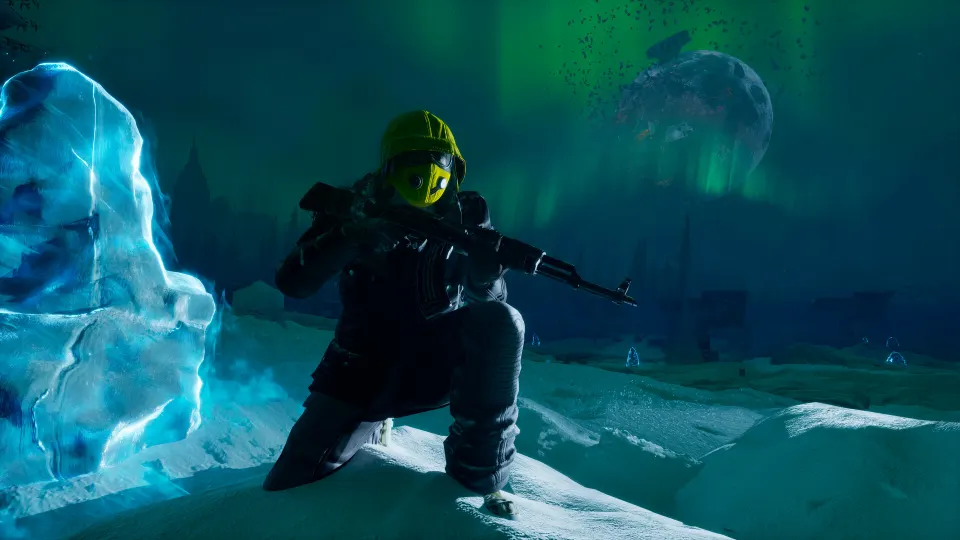
Where your playtime goes
Permafrost's structure makes survival preparation part of progression. Traveling farther requires attention to warmth, supplies, shelter, and equipment. A session can produce meaningful progress even when it does not end with a completed quest.
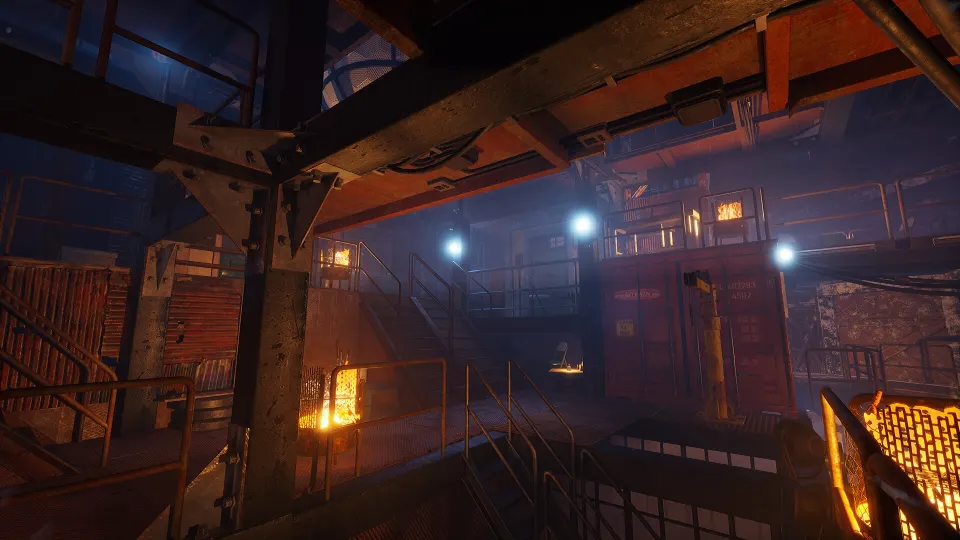
The developer's introduction on Reddit explains that exploration includes restoring abandoned shelters, repairing machinery, and finding equipment. Those activities gradually improve your ability to reach deeper parts of the world.
| Activity | What occupies your time | Why it matters |
|---|---|---|
| Exploration | Searching abandoned locations and finding routes | Helps uncover supplies, equipment, and opportunities to progress |
| Shelter work | Building useful bases and restoring shelters | Supports expeditions through the frozen environment |
| Crafting | Collecting materials and working toward improved recipes | Develops your equipment and survival options |
| Hunting and provisioning | Acquiring food and preparing supplies | Supports continued travel and survival |
| Inventory management | Deciding what to carry and using the dog's storage | Helps manage limited carrying capacity |
The 30-hour reviewer describes learning which supplies were worth carrying as a significant part of exploration. The dog was particularly useful for transporting extra loot. Learning these systems takes time, especially when unfamiliar items compete for inventory space.
Technical problems can also affect recorded hours. Early Steam reviews report issues involving tools, spawning, and performance. One player describes restarting after animals stopped appearing. Such interruptions complicate attempts to translate total hours into content length.
Keep real-world playtime separate from the in-game calendar, too. The solo reviewer reports that sleeping advanced their game to the following morning. An elapsed day inside the world therefore cannot be treated as a fixed amount of time spent playing.
How to make steady progress in shorter sessions
You do not need a confirmed completion estimate to give each session a useful purpose. Start with a small objective tied to your current needs, then expand your plans as the systems become familiar.
One Steam reviewer found that following the early story missions helped introduce features more efficiently than unguided exploration. Meanwhile, the solo review recommends beginning with a practical base instead of spending the opening hours on a large construction project.
Use those observations to structure your early play:
- Follow the introductory missions. They introduce features and provide rewards while leaving room to explore. Use them to learn the systems before setting an ambitious independent goal.
- Build a functional first shelter. Prioritize somewhere useful for warmth and storage. A larger building project can become a separate objective once basic needs are covered.
- Give each expedition a purpose. Choose a supply need, quest destination, or location to investigate. Having a reason to travel helps you judge whether a detour supports your current goal.
- Review your inventory before leaving. Decide what deserves carrying space and use the dog's extra capacity where helpful. Learning what to bring is part of becoming more efficient.
- Coordinate responsibilities in co-op. Discuss tasks and skill development together. The Steam co-op account suggests this is a useful way to organize a shared playthrough.
For a shorter session, concentrate on one of those goals. For a longer session, combine preparation, an expedition, and work on the supplies or equipment you bring back. This is a planning approach rather than a measured session-length recommendation.
Judge progress by what changed. Learning a crafting system, improving a shelter, or finding useful equipment can make the next expedition more manageable. That gives you a clearer sense of accomplishment than comparing your hour counter with a reviewer whose priorities may be different.
FAQ
What is the current permafrost game play time estimate?
There is no officially confirmed completion estimate. Around 30 hours is a documented solo playtime from an Early Access review, but the reviewer does not present it as the time needed to finish. Main-story and completionist durations remain unconfirmed.
Is the game only two hours long?
The two-hour references in the developer's Reddit discussion concern limited demo or test access. They do not establish the full game's duration. Separate accounts describe substantially longer playtimes, including the approximately 30-hour solo review.
Can I finish the story in 30 hours?
That has not been verified. The official Steam page describes the starting narrative and side quests available in Early Access. The 30-hour review discusses continued exploration and survival without reporting a completed story, so it cannot establish that benchmark.
How long will Early Access last?
The developers state an intention to remain in Early Access for at least 12 months, while acknowledging that the duration is undecided. That describes development time. Planned additions include biomes, quests, characters, enemies, equipment, and vehicles, so estimates based on the launch build may become less useful as the game develops.